Figuring out what to feed your teen after wisdom teeth removal can feel overwhelming. By the time you get home and read the list of foods they can't eat, having realistic meal ideas they can eat (and will actually eat 😉) can make the recovery period much less stressful for everyone.

Good news! Wisdom teeth removal doesn't mean you have to live on a liquid diet for long... but it does mean you'll need to make a few modifications in what you eat, especially if your goal is to enjoy nutrient-rich soft foods with hopes for a speedy recovery.
While some teens have minimal swelling and recovery is quick after wisdom tooth (or teeth) removal, I've learned it's more common for the swelling (which makes it difficult to chew foods) to last for a week to ten days.
The instructions we were given from an oral surgeon were pretty basic: consume mostly cold food and drink the first day (to help a blood clot form at the extraction sites), "eat what is comfortable... avoid the use of straws along with spicy and acidic foods for one week, and avoid foods containing nuts, poppy, sunflower seeds, and popcorn if a lower tooth was extracted."
Sounds simple, right? Admittedly, I didn't think anything of the instructions until my daughter walked out after having all four wisdom teeth out with her mouth full of gauze. She was so hungry and yet she could barely open her mouth from all of the swelling (not to mention pain).
Thankfully, I figured out how to modify recipes that our whole family enjoys so everything was soft enough for my teen to eat after having her wisdom teeth out so we were all able to eat the same things for meals. 😍
Jump to:
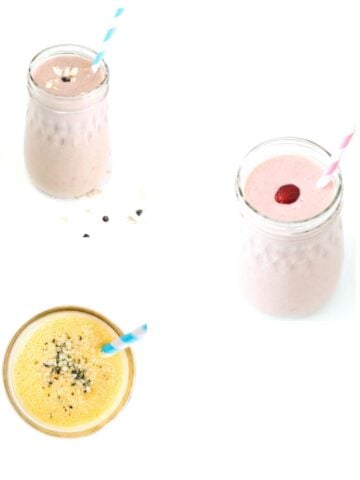
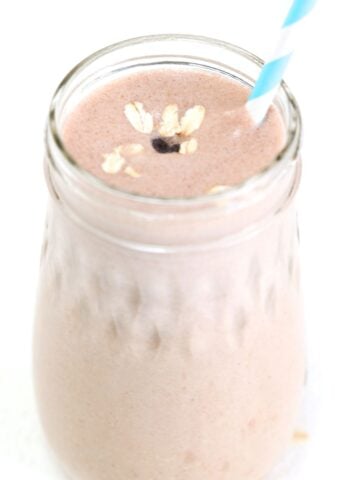
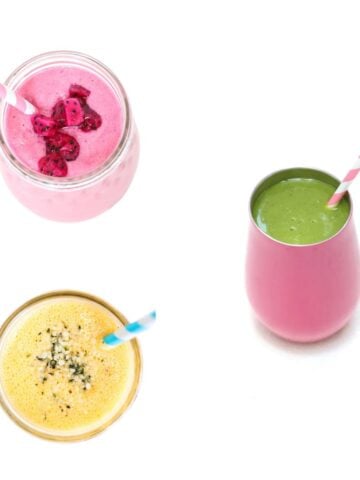
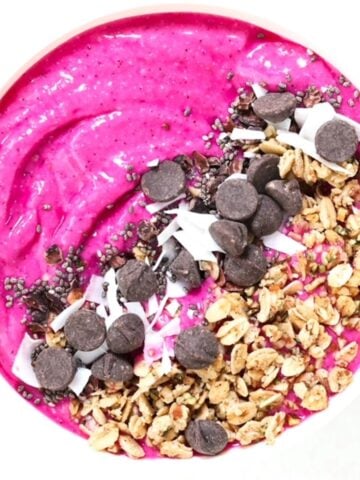
🍓Smoothie and Smoothie Bowls
First, remember: no straws until your oral surgeon says it's okay. If smoothies are too difficult to sip, use a spoon. Also, if smoothie or smoothie bowl recipes call for chia seeds granola, or anything else crunchy, leave them out. Easy as that. 😅
🥞Soft Breakfast Foods
- Eggs Scrambled eggs, baked eggs, a simple cheese omelet, or a veggie omelet made with previously cooked (very soft) veggies.
- Cottage Cheese with soft fruit
- Greek Yogurt Enjoy Greek yogurt by itself, with soft fruit, or make a Greek yogurt parfait (just be sure to leave the granola out).
- Oatmeal Make instant oatmeal, oatmeal on the stove, or baked oatmeal. Be sure to leave out all nuts and, if making baked oatmeal, stir in some milk to soften the oats even more. before serving.
- Pancakes Whole wheat blueberry pancakes and mini banana pancakes made with white whole wheat flour and fruit are a great source of fiber. Protein pancakes are denser, so you might want to wait until later in the week to give those a try.
🍜Soft Food for Lunch & Dinner
Sandwiches and salads aren't very easy to chew if you have a lot of swelling. For this reason, you may find that your teen prefers to reheat dinner leftovers for lunch.
- Mac and Cheese Make my recipe for white cheddar mac n cheese with Barilla Protein Plus Pasta for more protein and more fiber. It's so easy and so good!
- Mashed Potatoes I like to make red skinned mashed potatoes because potato skins are a great source of fiber and minerals. Mashed sweet potatoes is another excellent option!
- Cheese Quesadillas Small pieces of cheese quesadillas made with soft flour tortillas are easier to eat than quesadillas made with meat. Instead of serving them with salsa (salsa is acidic), mash an avocado with a little bit of salt to serve as a side. Even the lime in homemade guacamole is too acidic (in my opinion) to eat right after having your wisdom teeth out.
- Pasta Dishes I made a variety of pasta dishes and just cooked the pasta and veggies a little longer, so they were softer than al dente. For instance, one night I made pesto with tortellini and broccoli, and another night I made a ground turkey and pasta dish. Or, just keep it simple and stir in peanut butter sauce or butternut squash pasta sauce. Both sauces are nutrient rich, have a smooth texture, and add extra flavor to pasta.
- Salmon When cooked right (not overcooked 😊), salmon is very easy to eat, much easier than even shredded chicken. You can air fry salmon from frozen, roast it, or poach it, as I do when making my salmon pasta recipe.
- Soup Blended, creamy soups are best to start out with. Towards the end of the week, you'll likely be up for enjoying lentil soups, and soups with shredded chicken for more protein.
- Eggs Hard boiled eggs as they are, or turned into an egg salad (without celery, onion, or anything else crunchy) or deviled eggs.
🥐Muffins & Soft Bread
- Muffins What kid doesn't enjoy a tasty muffin?! They'll probably want to start out by eating something softer, like Zucchini Banana Muffins. Then work toward Banana Carrot Muffins by the end of the week. And remember: no nuts.
- Quick Breads As long as they are made without nuts (or anything else crunchy), zucchini bread, banana bread, and pumpkin bread can be enjoyed as part of breakfast or quick snack.
- Other Soft Breads Enjoy soft pita bread and sandwich bread as tolerated. My daughter would have been able to eat soft pita bread as a snack, but a sandwich made with two slices of bread (no matter how soft, lol) would have been challenging for her.
🧁Dessert
- Pudding Chocolate pudding, vanilla pudding, rice pudding. Enjoy! Personally, I'd avoid chia pudding or flaxseed pudding for the first week just to be safe.
- Ice Cream Ice cream is a favorite after having wisdom teeth removed. Just remember to buy ice cream without chunks, lol. I was literally picking chocolate chips out of mint chocolate chip ice cream for my daughter because she really wanted mint ice cream. 😆
- Soft Cookies Soft cookies (like the kind from Crumble Cookie, almost cakelike) are easier to eat than crunchy cookies.
- Soft Brownies Soft baked brownies are easier to eat than brownies that are baked longer and form hard edges.
- Cupcakes with Frosting Our favorite? Chocolate cupcakes with chocolate frosting. 🙋♀️
Helpful Tips
- Always follow the instructions provided by your oral surgeon and other medical care providers.
- This post is written to be helpful and supplement the specific instructions provided by your oral surgeon, not replace them.
- Cook pasta a little more than 'al dente' for the first few days.
- Boiled veggies (from fresh or frozen) will be the easiest to eat.
- Avoid all crunchy and chewy foods. For instance, you can still make a Greek yogurt parfait with Greek yogurt, fruit, and smooth peanut butter (or peanut butter powder), but be sure to leave the granola out.
- Eat a variety of foods, including high-fiber and high-protein food at each meal.
Questions You May Have
The easiest way to get enough of a variety of nutrients the first day or two after having your wisdom teeth out is to make a smoothie or smoothie bowl that includes various fruits and vegetables in addition to a protein source such as yogurt, skyr, milk, nut butter, or protein powder.
As the swelling improves and you are able to tolerate soft foods, be intentional about including soft fruits and vegetables with meals and snacks.
Just remember - no straws for the first week (or as directed by your oral surgeon).
Protein, vitamin C, and Zinc are key nutrients that aid healing. The anti-inflammatory properties of omega-3 fatty acids help the healing process as well.
Seedless watermelon, cantaloupe, papaya, cooked spinach, and cooked broccoli are less acidic sources of vitamin C.
Incorporate foods like shellfish, lean ground beef, lentils, eggs, and whole grains to increase your zinc intake from food.
You should not eat crunchy peanut butter. But, as long as your oral surgeon says it's okay and you're able to tolerate it, smooth peanut butter and other smooth nut butters can be used to add protein and monounsaturated fats to your diet.

Leave a Reply